.png)
 01234 324 530
Residential patients who are living with dementia or suffer from mental health issues, may sometimes begin to neglect their personal hygiene needs. In the early stages, this may be subtle and difficult to notice, such as repeatedly wearing the same clothes or forgetting to bathe or wash regularly.
Maintaining good personal hygiene is an important part of supporting overall health and wellbeing. Ensuring that your residents practise good personal care will help to protect their physical health, reduce the spread of harmful germs and infections, prevent skin irritation and maintain their dignity and self-esteem.
Key takeaways
Consider the residents choice
Consider the residents choices
When providing personal care, it is important to maintain an individual’s dignity, privacy and comfort at all times. Their personal preferences and lifestyle choices should be respected, including their preferred clothing and hairstyle. Wherever possible, residents should be encouraged to make their own choices and remain as independent as they can during their personal care.
Maintaining a clean appearance can also have a positive impact on a residents confidence and self-esteem. It is equally important to consider and respect cultural, religious and personal preferences, as these can have a significant influence on how a person might wish to receive their personal care.
Remember bathroom safety
In a bathroom setting, the fear of slipping or falling can often discourage elderly residents from using a bath or shower. This can be particularly common among individuals living with dementia. Making sure that your care home has appropriate equipment and safety aids in place can help residents feel more confident and secure, encouraging them to maintain regular bathing and washing routines.
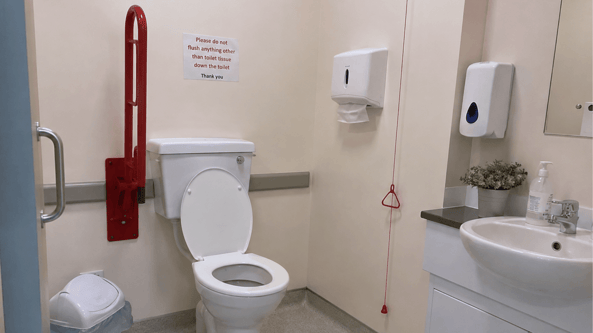
Here is a range of equipment your care home should have to make your bathrooms safe and accessible:
-
Handrails: Handrails can provide sturdy reliability whilst using the toilet. They can also be used effectively to aid those with visual impairment, as they are often designed in bright colours to ensure that they are visually clear.
- Shower seats: When a resident has a seat to wash themselves on and has control within easy reach, many can bathe on their own, with minimum need for assistance. This encourages their independence when looking after their own personal hygiene.
- Raised toilet seats: Using a raised toilet seat means that residents can sit down and stand with ease. Setting the seat a little higher than what is standard, makes sitting much easier for areas of the body such as the knees and hips.
- Use clear labels: For those living with dementia or a form of memory loss, navigating a building to find shower gel and shampoo, or even where the bathroom is can be frustrating. Having labels placed on areas such as the taps, doors or sink for example, can make life easier for residents.
Establish a routine
Having a consistent personal hygiene routine is essential within a care home. Without an established routine, residents may feel unclean, uncomfortable or neglected. A regular routine can help residents become familiar with tasks such as showering, bathing and brushing their hair, while also encouraging them to maintain as much independence as possible.
Building a strong and trusting relationship with residents is also important, as this can help them feel comfortable and reassured when they require any additional support.
Personal hygiene routines shouldn't feel like a chore or something that needs to be rushed. They should provide a calm and relaxing environment to make the experience more enjoyable, particularly for residents who may feel anxious or confused. Bathrooms inside your care home should keep to a good temperature, with fresh towels, bathrobes and any other necessary items prepared.
Areas of improvement
It is important to consider all aspects of hygiene, cleanliness and risk management within the care home and identify areas where standards could be improved. This should be monitored regularly and reviewed to ensure residents are as safe as possible.
Maintaining high standards of hygiene can help reduce the spread of harmful germs and infections, particularly among residents who may be more vulnerable to illness. Addressing even small issues can make a significant difference to the health, safety and wellbeing of residents.
%20(1000%20x%20400%20px)-2-1.png?width=400&name=General%20email%20banner%20templates%20(1000%20x%20300%20px)%20(1000%20x%20400%20px)-2-1.png)